In fast-paced work environments, taking a moment to pause can sometimes be misunderstood as hesitation or lack of productivity. However, professionals across many disciplines—especially in high-stakes fields like poker—understand that a well-timed break, or what is known as a strategic pause, is essential for maintaining mental clarity, improving decision-making under pressure, and preventing burnout. If you’ve ever found yourself needing to explain to your boss why stepping back momentarily is vital for your performance, this article will help arm you with both the language and rationale to do so effectively.
What Is a Strategic Pause? (Strategic Pause Definition)
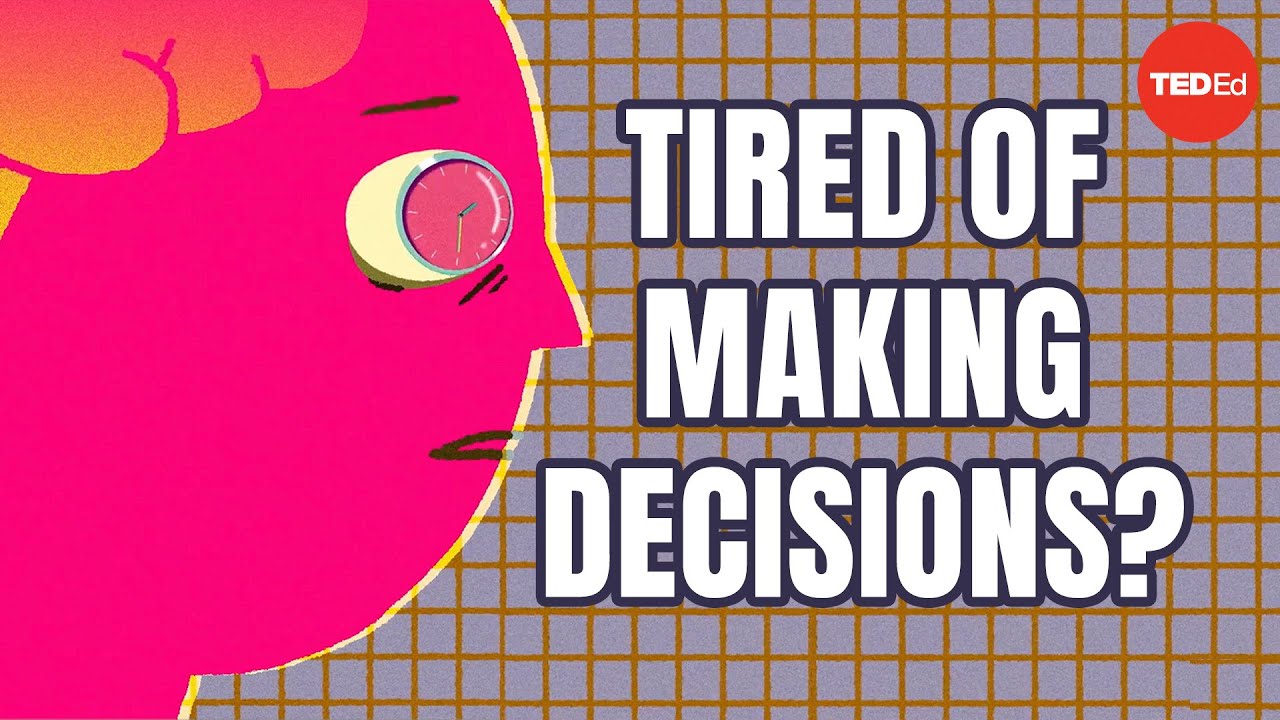
A strategic pause refers to a deliberate break taken to reset one’s mental state, reflect on the situation, and make better-informed decisions rather than reacting impulsively. In poker, this means stepping away after a bad beat to prevent tilt—a state of emotional frustration that clouds judgment and often leads to poor plays and losses.

Translating that to the workplace, a strategic pause is about recognizing moments when cognitive overload or emotional stress threatens to impair your productivity and decision-making, and intentionally stepping back to regain control.
Why Is Taking Breaks Important?
The benefits of taking breaks go beyond just physical rest. According to studies on the psychology of breaks, breaks help reduce mental fatigue, improve focus, and enhance creativity. Moreover, in high-pressure roles, they serve as a buffer against job burnout symptoms such as chronic exhaustion, irritability, and reduced motivation.
In fact, a simple tool like the Pomodoro technique—where you work in focused intervals followed by short breaks—has proven effective in boosting productivity and mental resilience.
Drawing Insights from Poker Psychology Basics
Many lessons radaronline.com from poker apply directly to business and workplace dynamics. The mental game fundamentals of poker—emotional control, strategic thinking, and risk management—offer valuable insights into how to manage stress and make clear decisions under pressure.
Understanding Tilt and Its Costs
Tilt definition in poker refers to a state of emotional decision making, often triggered by frustration or bad beats. When players experience gamer rage or lose emotional control in gaming, their judgment becomes clouded, leading to reckless bets and ultimately losing more money.
In the workplace, tilt manifests as impulsive reactions, poor judgment calls, and decreased performance. The cost of tilt can be substantial—both financially and reputationally. Poker pros often ask themselves, “ How much does tilt cost me?” as a way to quantify the impact of emotional decisions.
Tilt Prevention Strategy and Burnout Prevention
To control tilt, poker players develop tilt prevention strategies such as:
- Taking a strategic pause after emotional events on the table Practicing emotional regulation techniques Focusing on bankroll management to reduce risk and stress
Similarly, preventing burnout at work involves recognizing job burnout symptoms early and incorporating breaks and mental resilience exercises into your routine.
How to Take a Strategic Pause at Work
When explaining to your boss why a strategic pause is necessary, it helps to outline:
The rationale: Briefly explain that stepping back allows you to clear your head and return with a fresh perspective, improving overall productivity. The science: Share insights about productivity and breaks—how studies show that strategic breaks reduce cognitive overload and improve decision-making. The approach: Describe how you plan to implement strategic pauses, such as microbreaks every hour or using the Pomodoro technique. The expected outcomes: Highlight benefits such as better problem solving, reduced stress, and avoidance of mistakes caused by emotional burnout or fatigue.For example, you might say:
“I’ve noticed that after long periods of continuous work, my decision-making becomes less effective due to cognitive overload and stress. By incorporating short strategic pauses, I can clear my head, reduce emotional fatigue, and maintain a higher level of focus and productivity. This approach is backed by research and is widely used in high-stakes environments like professional poker and corporate leadership.”Building Mental Toughness and Resilience
Both poker and business demand mental resilience—the ability to bounce back from setbacks and maintain emotional control. Developing psychological resilience involves:
- Practicing mindfulness and self-awareness to recognize early signs of tilt or burnout Using mental resilience exercises like visualization, controlled breathing, and cognitive reframing Learning self-management techniques that go beyond just self-care, including planning strategic breaks and managing workload effectively
Understanding the difference between self-management and self-care is crucial. While self-care focuses on rest and relaxation, self-management involves proactively organizing your tasks, setting boundaries, and knowing when to step back—key components of a strategic pause.
Step Back and Gain Perspective
One of poker’s core lessons is when to step back and avoid chasing losses or making rash decisions. Similarly, at work, stepping away briefly helps you clear your head to think better, prevents brain fog at work, and reduces the effects of information overload.
Regularly asking yourself, “ Am I burnt out?” or taking an am I burnt out quiz can help you gauge your mental state and determine when a strategic pause is overdue.
Strategic Thinking and Decision-Making Under Pressure
In poker, how to think like a poker pro involves combining patience with calculated risk-taking. Waiting for good hands and knowing when to fold is as important as when to bet aggressively. This patience translates directly to business, where hurried decisions often lead to mistakes.
Why is patience important in poker? Because it allows you to wait for the right opportunity rather than acting on impulse. Developing patience skills—such as resisting the urge to jump into every task immediately—can improve your strategic thinking and decision-making at work.
Stress and Decision Making
Stress is a natural part of high-pressure situations, but it can impair judgment. Understanding the psychology of breaks shows that stepping away from the stressor—even for a few minutes—can help reduce cortisol levels and restore cognitive function.
This is where a strategic pause shines: it’s a method to combat emotional decision making by allowing you to regain composure and think clearly under pressure.
Practical Tips for Incorporating Strategic Pauses
- Use microbreaks: Even 2-5 minutes every hour to stretch, breathe, or walk around. Adopt the Pomodoro technique: Work for 25 minutes, then take a 5-minute break. Repeat and take longer breaks every 4 cycles. Practice mindfulness: Use breathing exercises to reset your emotional state before continuing work. Plan your breaks strategically: Identify moments of high cognitive load or emotional stress and schedule pauses accordingly. Communicate openly: Let your boss know that these pauses are part of your strategy to maintain peak performance.
What Poker Teaches You About Life and Business
Beyond the card table, poker teaches invaluable lessons about risk management, patience, emotional control, and strategic thinking—all critical skills in business. For instance:
- Bankroll management tilt: Just as poker pros manage their funds carefully to avoid going broke during tilt, professionals must manage their energy and stress to avoid burnout. Stop losing money poker: Learning from losses without emotional reaction parallels learning from professional setbacks without frustration. Psychological resilience: Bouncing back from a bad beat in poker is like recovering from a failed project or tough client interaction.
These analogies can help your boss understand the value of strategic pauses in maintaining long-term success.
well,Is a Poker Coach Worth It?
If you’re interested in deepening your understanding of strategic thinking, poker coaching rates vary, but many find investing in a coach highly beneficial. A coach can guide you on poker psychology basics and how to apply these mental game strategies to business or personal development.
Similarly, professional development coaches or mental resilience trainers can offer tailored strategies for managing stress and improving decision-making under pressure in the workplace.
Understanding Rakeback and VIP-Grinders in Poker (Bonus Insight)
While slightly tangential, understanding concepts like what is rakeback or vip-grinders rakeback and the highest rakeback poker sites can provide insight into how poker players maximize their long-term profitability—another form of strategic thinking and resource management.
This mindset of maximizing returns aligns with workplace efficiency: knowing when to invest effort and when to recover to optimize overall results.
Conclusion
Explaining a strategic pause to your boss is all about framing it as a proactive, research-backed approach to improving productivity and mental clarity. Drawing parallels from poker psychology basics and mental game fundamentals illustrates that stepping away momentarily is not a sign of weakness or procrastination but a smart, strategic move to avoid tilt, manage stress, and prevent burnout.
By adopting strategic pauses, you build mental toughness, enhance your decision-making under pressure, and ultimately contribute more effectively to your team and organization. So next time you need a break, think of it as a calculated, professional strategy—and don’t hesitate to explain it confidently to your boss.