Here’s the thing: if you’ve ever glanced at a gold quote or walked into a dealer like Gold Silver Mart, you’ll notice two different prices for gold – a buy price and a sell price. Sounds crazy, right? You’d think gold would just have one straightforward price since it’s the same metal everywhere. But the reality is a bit more nuanced — and understanding this simple concept is crucial if you’re diving into precious metals investing.
What’s the Deal with Two Gold Prices?
Ever wonder why that “buy” price (the price at which you can purchase gold) is always higher than the “sell” price (what you get when you sell gold back)? In simple terms, this difference is known as the bid-ask spread, and it’s the economic engine that keeps dealers in business.
To unpack that, let’s say you walk into Gold Silver Mart looking to buy an ounce of gold. They might quote you $2,030 (the ask price). But if you want to sell the same ounce back to them, they might only offer you $1,995 (the bid price). The $35 difference isn’t just random; it’s the dealer’s margin — the bread and butter of their business.
So, What Does That Actually Mean?
- Bid Price: The price dealers are willing to pay to buy gold from you. Ask Price: The price dealers want you to pay when you buy gold from them. Bid-Ask Spread: The difference between the bid and ask prices — effectively the dealer’s profit margin.
This spread covers several critical needs for dealers:
Operational costs (rent, staff, security) Inventory risk (prices fluctuate, so holding gold can be risky) Profit margin to keep the business viableThe Bid-Ask Spread and Market Liquidity
Sounds straightforward, but here’s the nuance: the size of the bid-ask spread can tell you a lot about market liquidity. High liquidity means that gold trades frequently and in large volumes, resulting in a tight spread — maybe just a few dollars. Low liquidity markets, on the other hand, see wider spreads because dealers have to adjust for the risk that they might not sell the gold quickly or at a predictable price.
Gold, unlike many alternative assets, tends to have relatively good liquidity globally, thanks to its universal appeal and established markets. However, when you’re dealing in smaller dealer settings or in less common forms like vintage coins or low-demand bars, that spread and premium can jump noticeably.
Entrepreneurship and Trust in Times of Crisis
One thing that often gets overlooked when people talk about gold is the human side of the business — the entrepreneurs who run companies like Gold Silver Mart. During crises (financial crashes, inflation surges, global instability), demand for precious metals tends to spike. That’s when entrepreneurs have to step up, ensuring secure sourcing, fair pricing, and trustworthy transactions.
Trust isn’t just a nice-to-have; it’s the currency that folks trade on in the precious metals world. The downside? The existence of dealers with sketchy premiums or hidden fees can frighten off potential investors. That’s why transparent bid-ask spreads and straightforward pricing from reputable dealers matter so much.
Inflation Hedge: Why Gold and Silver Still Matter
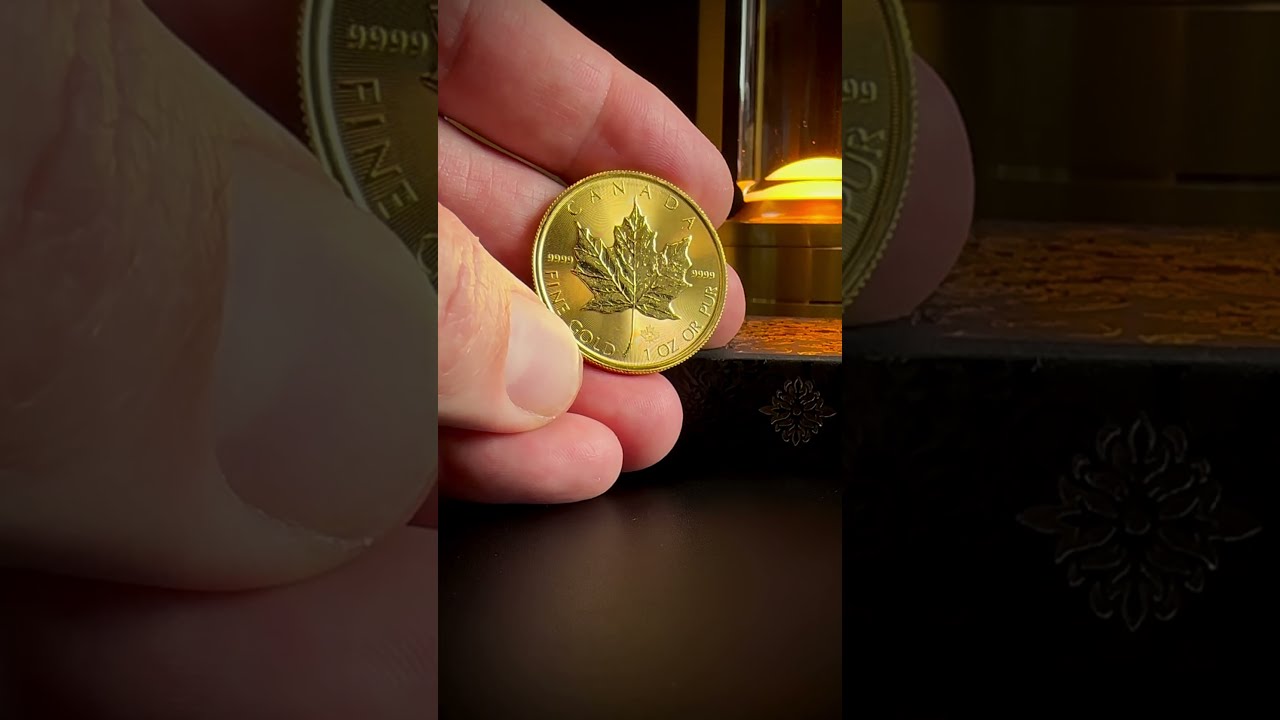
Inflation fears often push folks toward hard assets — particularly gold and silver. They aren’t just shiny collectibles; they’re time-tested hedges against currency debasement. When central banks pump out money and the value of fiat currencies erodes, gold tends to hold its purchasing power. But buying gold isn’t simply about speculating on future prices.
Investing in metals strategically means understanding these subtle pricing mechanics, including that all-important spread. Ignoring these practical details is a mistake many beginners make because they feel “too intimidated to start.”.
Demystifying Precious Metals for Beginners
If you’re new, the jargon and pricing might feel overwhelming — bid-ask spread, premiums, spot prices, liquidity, and all that. But it doesn’t have to be. Here’s a quick rundown of what you really need to know before making your first gold purchase:
- Spot Price: The global market price of gold per ounce at any moment. This is what big players trade at wholesale. Dealer Price: This is your “ask” price, which includes premiums dealers add to cover their costs. Bid Price: What dealers pay when you want to liquidate your holdings. Premiums and Fees: These vary based on the form you buy (coins, bars, rounds), dealer reputation, and market conditions.
Many beginners hesitate because they think gold is complicated or unreachable as an investment. But part of the reason companies like Gold Silver Mart exist is to make the process accessible and trustworthy. They demystify the market and provide clear pricing right upfront. No hazy fees or confusing terms — just solid, honest business.
The Bottom Line: Understanding the Spread Can Save You Money
The bid-ask spread might seem like just a small technical detail, but recognizing what it represents can save you money and frustration. It tells you exactly how a dealer makes money and how the market values liquidity and risk. When shopping around, comparing bid-ask spreads among dealers gives you a leg up on spotting fair pricing versus markups.
So, if you’re hesitant because you’re intimidated by the gold theyeshivaworld.com market, start by understanding these basics:
Gold’s buy price (ask) will always be higher than the sell price (bid). That’s normal. The difference is the bid-ask spread — dealer profit and risk compensation. Look for dealers like Gold Silver Mart who are transparent about their pricing and fees. Remember that gold’s value as an inflation hedge depends on holding it for the long term, not flipping it for quick profits.Entrepreneurs in this space serve a vital role by providing trust, education, and reliable access during uncertain times. Rather than being intimidated, tap into their expertise. The silver (or gold) lining is that the market is far less mysterious than it seems once you cut through the hype, understand the spread, and appreciate the mechanics behind the prices.
Additional Tips for Investing in Gold
- Start Small: You don’t have to buy a kilo bar. Even fractional ounces or government-minted coins are a solid entry point. Check Premiums: Compare prices and fees from multiple dealers to avoid overpaying. Understand Storage: Secure storage is critical; some dealers offer vaulting options with insured security. Keep Long-Term Perspective: Don’t get swept up in short-term price swings or “get rich quick” schemes.
At the end of the day, the bid-ask spread is your first gateway into understanding the precious metals market’s realities — and it’s what separates serious investors from wishful thinkers.
Feel free to stop by Gold Silver Mart or their website to see transparent pricing in action. Having a trusted dealer who lays it all out in plain terms will make your foray into gold investment much smoother—and less intimidating.
And if you ever wonder why your dealer quotes two different prices for the same ounce of gold, now you’ll know: it’s not a trick; it’s just business.
